

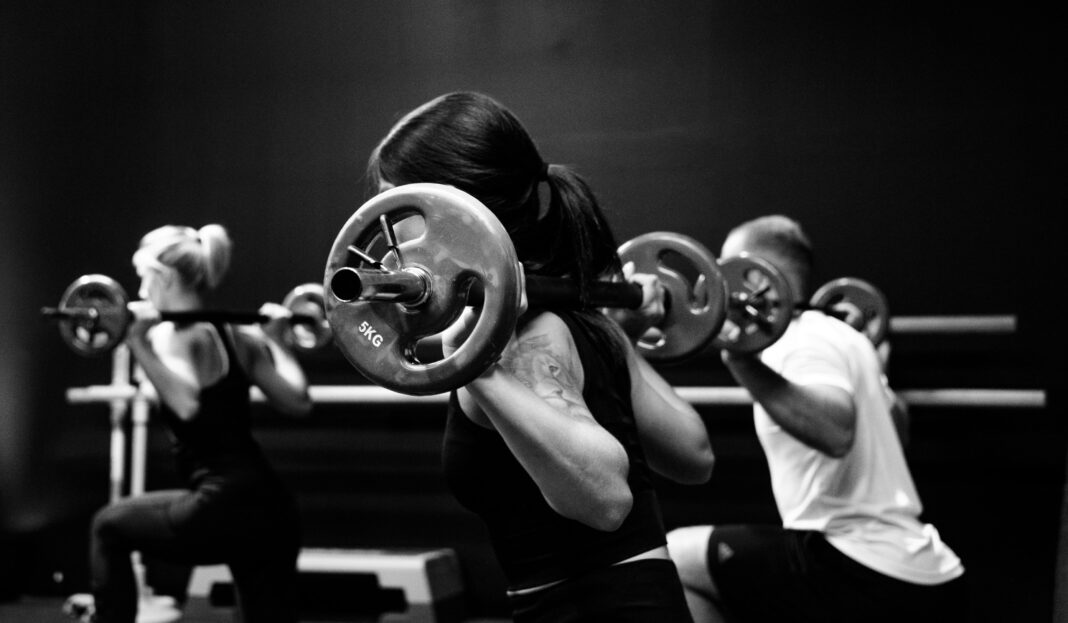
Strength training is often simplified to a straightforward exercise in lifting as much weight as possible until you’re completely wiped out. But Jeff Cavaliere has a different take on things – he thinks of strength as a skill that needs to be developed with a combination of practice and technique rather than just sheer muscle exhaustion.
Lots of guys stall out in their training or do lasting damage because they get so caught up in putting out maximum effort that they forget about efficiency. Cavaliere’s system is all about three core principles: getting your compound exercises dialed in, gradually increasing the weight you’re lifting with proper form, and making sure that you’re not overdoing it – balance intensity with recovery, in other words.
This guide will dig into Cavaliere’s approach for setting up your training so that the progress you make is consistent rather than just some lucky break.
What “Strength Is a Skill” Means in Practice
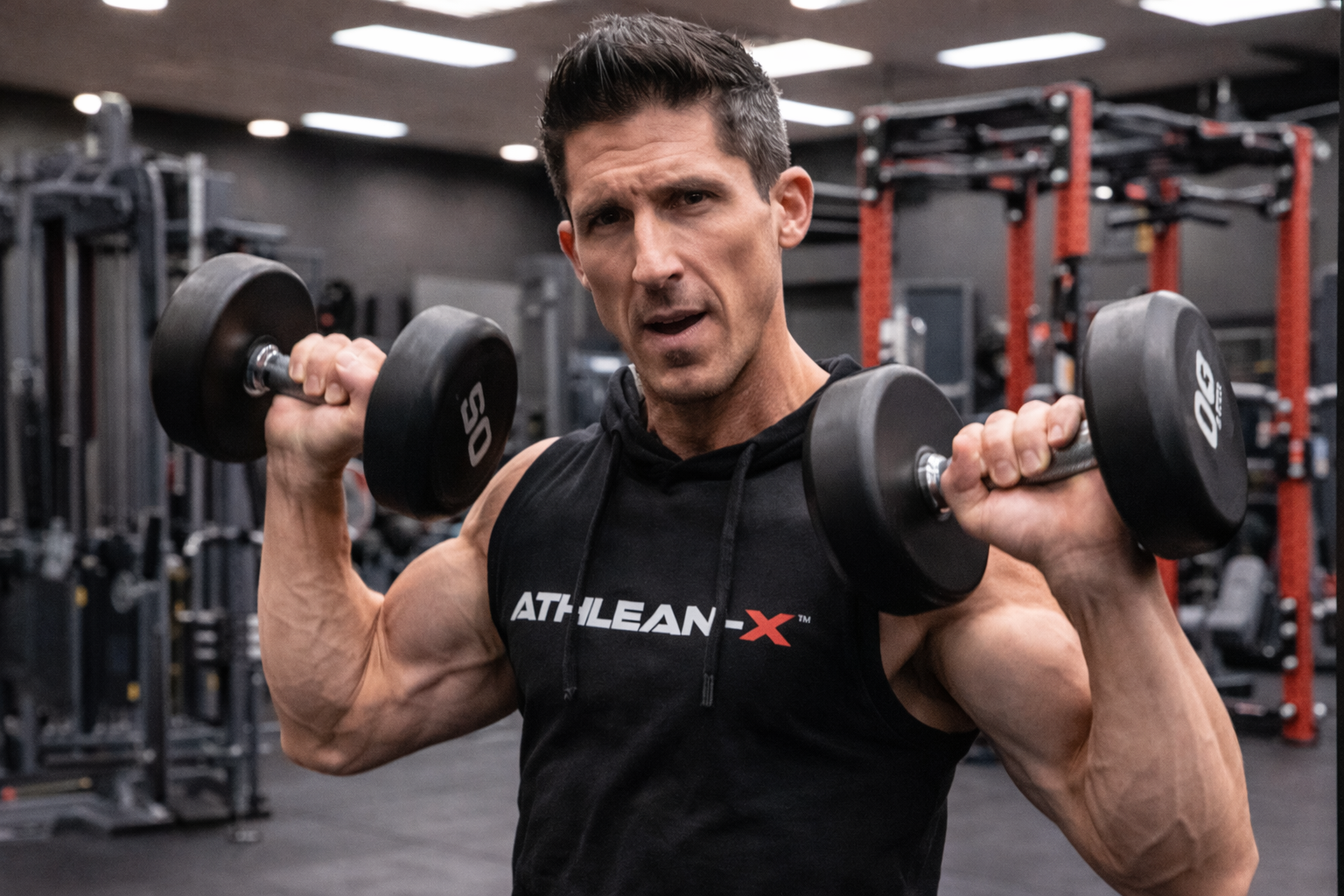
When Cavaliere says strength is a skill, he’s emphasizing how force is produced, not just how much work is done. Strength depends on neural efficiency, coordination, timing, and positioning under load. Two people can lift the same weight, but the one who moves with better mechanics, control, and intent is practicing the skill of strength more effectively.
In practical terms, this changes how you train:
- Reps are performed with focus, not rushed to chase fatigue
- Load increases only when technique remains repeatable
- Progress is measured by mastery under heavier constraints, not soreness
This mindset reframes strength sessions as practice, not punishment. The goal isn’t to feel destroyed—it’s to become more capable.
For readers who want to see how Cavaliere explains these principles visually, his demonstrations and breakdowns are published directly on the official ATHLEAN-X YouTube channel:
https://www.youtube.com/@athleanx/videos
For creators who teach training principles like this, the challenge is not explaining ideas but helping people practice them consistently. The Twelve app is designed for this exact use case, allowing expert creators to share short, focused videos, answer follow-up questions, and build paid communities around real implementation rather than one-off views.
The Two Pillars: Compound Lifts and Progressive Overload
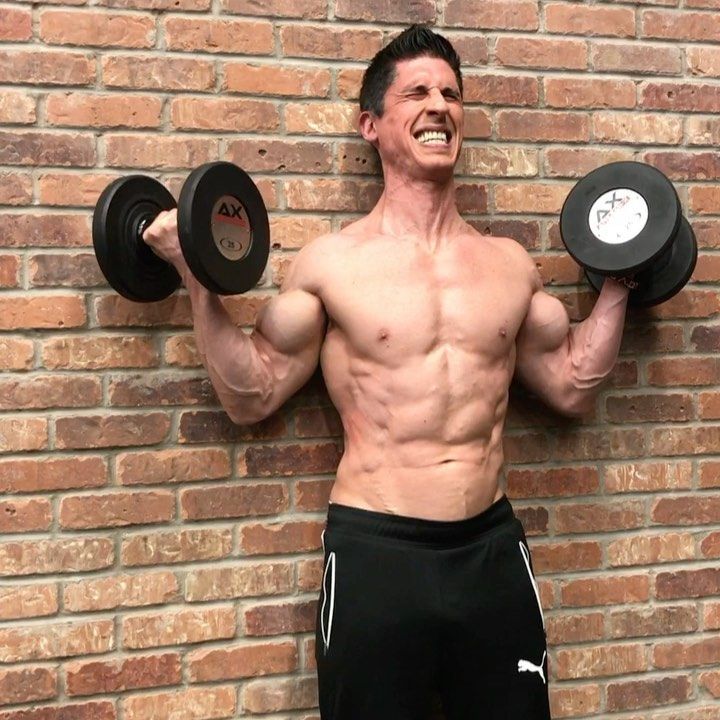
Cavaliere repeatedly returns to two non-negotiables for building strength efficiently.
Compound Lifts Do the Heavy Lifting
Compound movements—squats, deadlifts, presses, rows, pulls—engage multiple joints and muscle groups simultaneously. Because they distribute load across the body, they allow heavier weights and greater force production than isolation exercises alone.
Cavaliere doesn’t dismiss isolation work, but he treats it as supportive rather than foundational. If strength is the goal, compound lifts form the backbone of training because they:
- Train coordination across muscle groups
- Allow meaningful load progression
- Transfer better to real-world and athletic tasks
Progressive Overload Isn’t Just Adding Weight
One of Cavaliere’s most consistent warnings is against reducing progressive overload to “add weight every week.” That approach often leads to sloppy reps, joint stress, and plateaus.
Instead, he treats overload as multi-dimensional. Load is only one lever. Others include:
- Increasing effective working sets (without junk volume)
- Improving range of motion under the same load
- Reducing rest times while maintaining output
- Increasing intent and bar speed on heavy reps
The rule is simple: overload must create positive adaptation. If it degrades technique or recovery, it’s not productive—no matter how impressive it looks on paper.
Effective Volume vs Junk Volume

Jeff Cavaliere draws a sharp line between work that actually drives adaptation and work that simply accumulates fatigue.
Junk volume often shows up as:
- Extra sets performed far from failure
- High-rep work added just to feel the burn or spike heart rate
- Redundant exercises that fail to target weak links in the posterior chain or improve real muscular ability
Effective volume, by contrast, is purposeful. Each set exists for a reason, whether it is improving strength, control, or coordination. A strength coach may use fewer total sets, but those sets demand higher quality: more focus, more rest, and more precision.
For example, a single dumbbell reverse lunge performed on one leg, with a slightly wider stance and full stretch, can deliver more benefit than multiple careless sets. This distinction explains why many lifters feel busy but do not get stronger. They are doing more work, not better work.
This kind of nuance is easier to engage with in environments designed for depth. On the Twelve platform, users explore short expert-led videos, participate in focused communities, and have space for real discussion around health and fitness topics, without the distraction and bias common on ad-heavy feeds.
Strength vs Hypertrophy: Matching the Variables
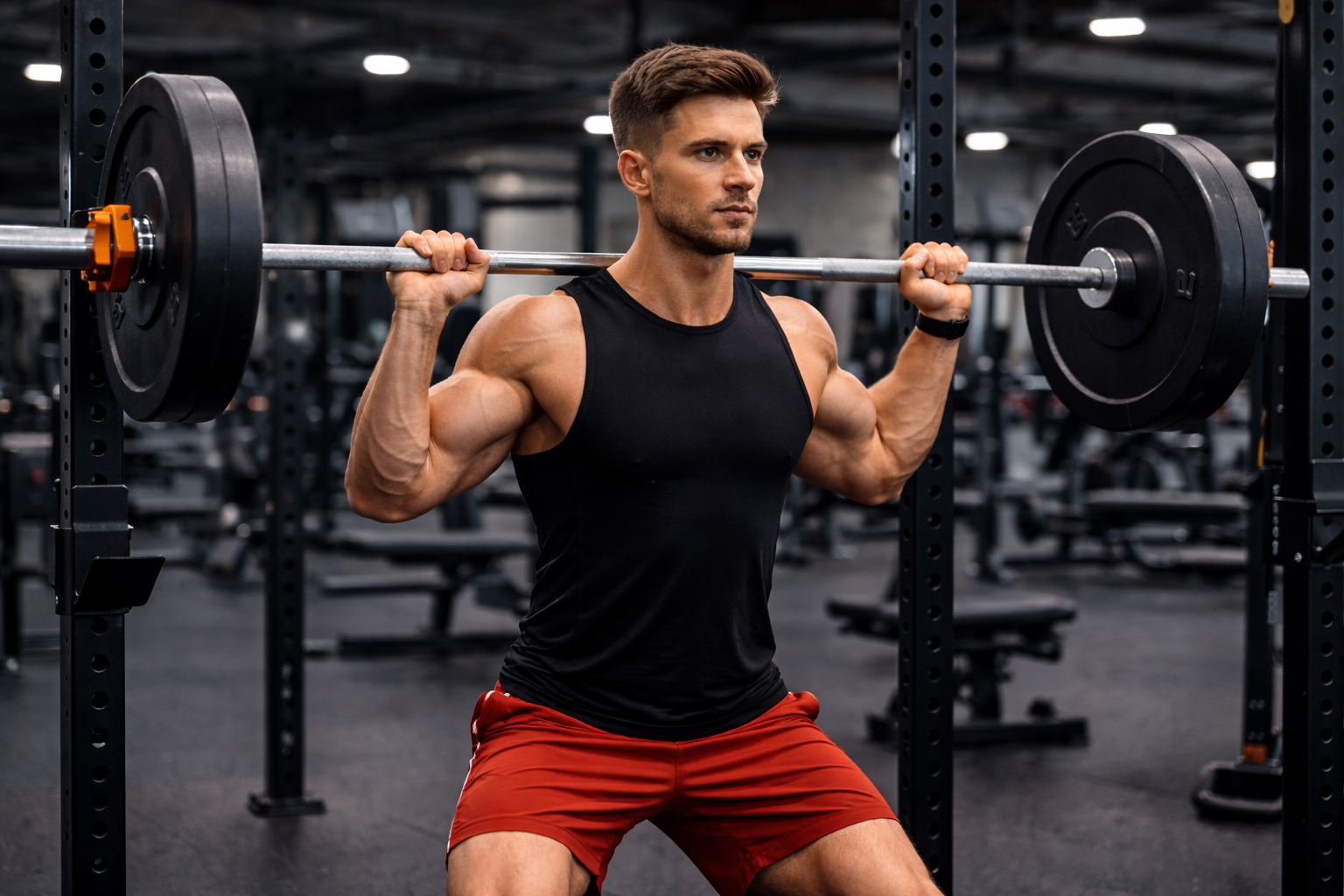
One of the most common sources of confusion is mixing strength and muscle-building rules. Cavaliere treats this as a variable problem, not an identity problem.
Variables for Strength
For strength development, Cavaliere consistently emphasizes:
- Reps: 1–5 per set
- Load: roughly 80–95% of one-rep max
- Rest: 3–5 minutes between heavy sets
These parameters prioritize neural adaptation and force output rather than metabolic fatigue.
Why Chasing Fatigue Backfires
High fatigue compromises bar speed, positioning, and recovery. For strength, this creates a paradox: you work harder but practice the skill less effectively. Cavaliere repeatedly warns that strength training should not feel like conditioning or burnout sessions.
That doesn’t mean strength work is easy—it’s demanding in a different way. The effort goes into precision and intent, not exhaustion.
Programming for Progress: Frequency, Blocks, and Plateaus
Cavaliere generally recommends strength training three to four days per week, centered on compound lifts. This frequency provides enough practice exposure while preserving recovery capacity.
Block-Based Progression
Rather than constant variation, Cavaliere favors structured blocks:
- Run a linear progression for 6–8 weeks
- Push intensity while maintaining form
- Then adjust variables to avoid stagnation
Changing rep ranges, accessory emphasis, or movement variations after a block prevents plateaus without undermining skill acquisition.
Why Random Variety Dilutes Progress
Randomizing exercises too frequently prevents technical mastery. Strength improves when the nervous system gets repeated exposure to similar movement patterns under load. Variety has a place—but only after fundamentals are established.
Building Athletic Strength, Not Just Gym Strength
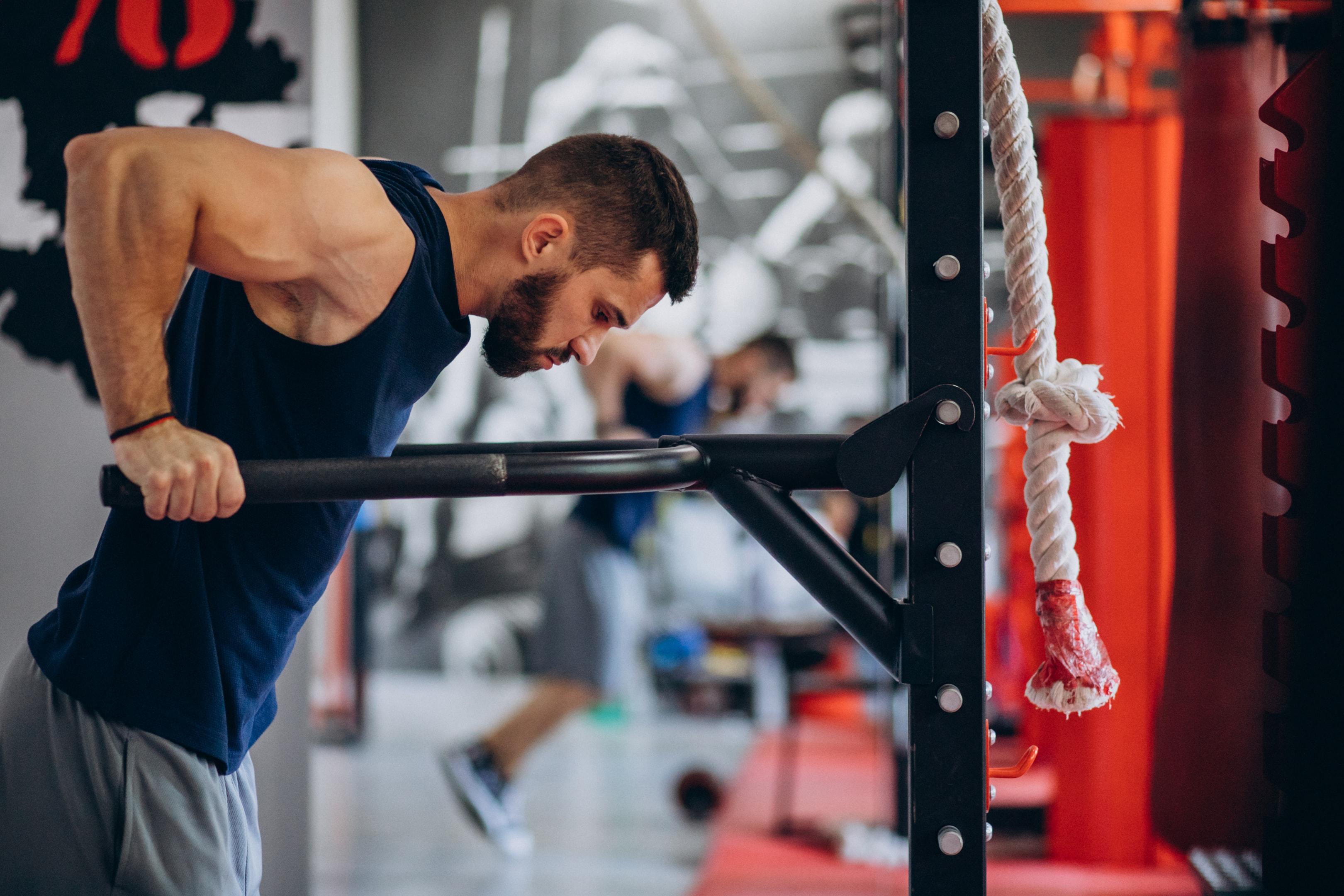
A defining feature of Cavaliere’s philosophy is his insistence that strength must coexist with movement quality.
Train All Planes of Motion
Only training sagittal-plane lifts (forward/backward) can create blind spots. Cavaliere advocates including:
- Frontal-plane work (lateral lunges, side steps)
- Transverse-plane movements (rotational drills)
This approach improves resilience and reduces overuse injuries.
Mobility and Correctives Aren’t Optional
Corrective exercises such as face pulls are treated as structural insurance. Strength without joint integrity is short-lived.
For readers looking to explore how Cavaliere organizes these movements visually, the ATHLEAN-X playlists group exercises by movement pattern and goal:
https://www.youtube.com/@athleanx/playlists
Recovery and the “More-Is-Better” Trap
Heavier training increases systemic stress. Cavaliere is explicit that recovery isn’t passive—it’s part of the program.
He often describes recovery as half the gains equation. Without sufficient rest, sleep, and joint care:
- Neural drive declines
- Technique degrades
- Injury risk rises
This is why he warns against equating volume with progress. As intensity increases, recovery discipline must increase alongside it.
How Cavaliere Resolves Common Strength Debates
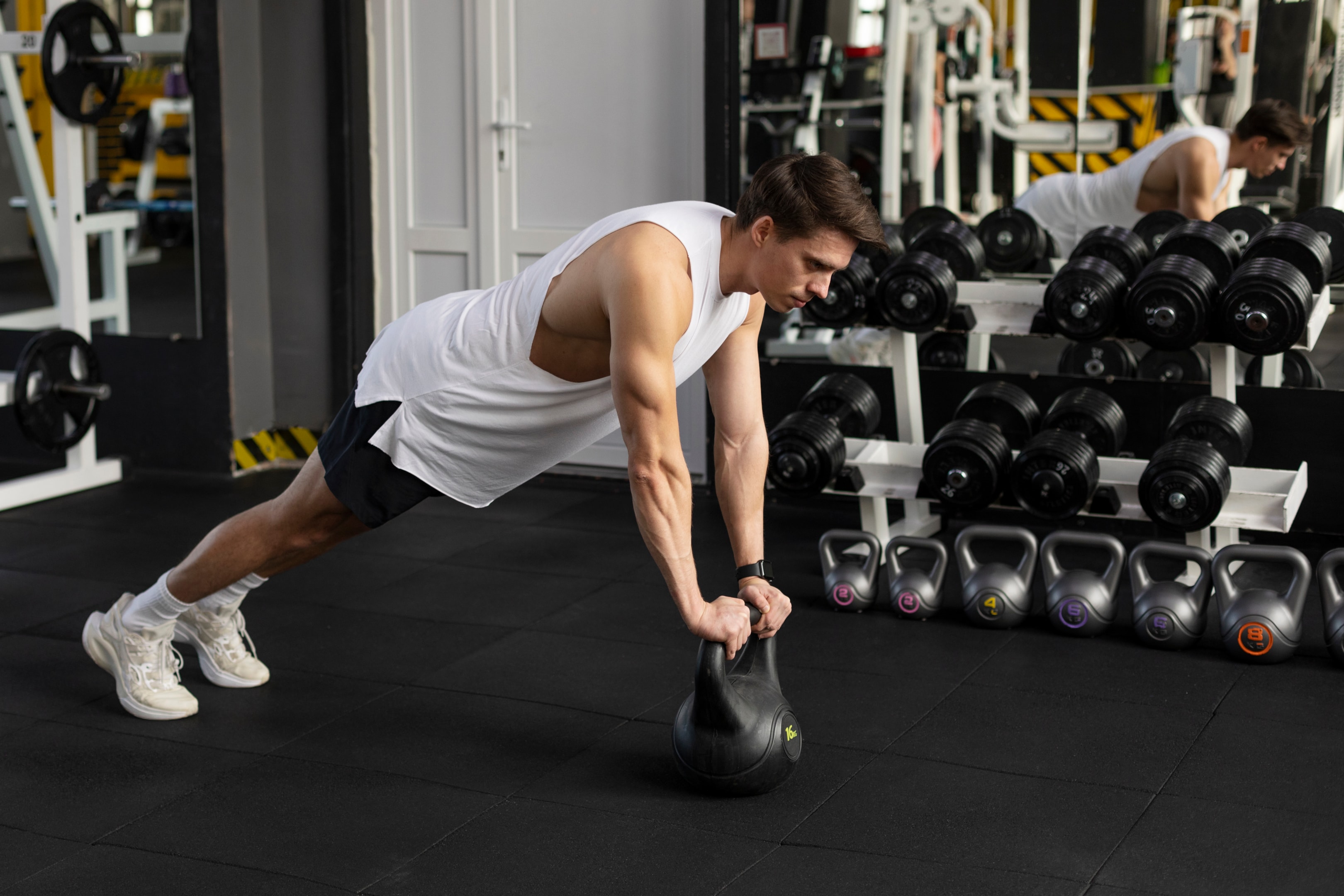
Rather than picking sides, Cavaliere reframes debates:
- Strength vs hypertrophy: different goals, different variables
- Volume vs intensity: intensity drives strength, volume must be controlled
- Simplicity vs variety: master basics first, then layer variation
His solution to most problems is not “more,” but cleaner execution, smarter progression, and better recovery.
What This Means for Lifters
Interpreted correctly, Cavaliere’s framework turns strength training into a manageable system:
- Big lifts are your primary skill drills
- Assistance work supports weak links and durability
- Progression has multiple levers, not one
- Recovery is trained indirectly through restraint
This model explains why some lifters get stronger with fewer sets and why others stall despite constant effort. Strength rewards precision.
FAQ: High-Intent Questions Readers Actually Ask
What does Jeff Cavaliere mean by “strength is a skill”?
He means strength improves through deliberate practice—refining coordination, positioning, and neural efficiency—not just accumulating fatigue.
What are the two most important factors for getting stronger?
Compound lifts and progressive overload, applied with strict form and intelligent progression.
What does Jeff Cavaliere actually recommend for building muscle and burning fat?
Jeff Cavaliere focuses on effective workout principles to build muscle, burn fat, and stay lean safely. His key point is total body training that improves muscle strength, overall fitness, and athleticism without worry.
What rep ranges are best for strength?
Typically 1–5 reps per set with heavy loads and long rest periods.
Is progressive overload only about adding weight?
No. Cavaliere emphasizes multiple overload levers, including volume quality, range of motion, rest manipulation, and intent.
How does he approach upper body and chest training safely?
For chest muscles and upper body, he emphasizes the barbell bench press, triceps work, and consistent tension while avoiding poor form like excessive leaning forward. Shoulder mobility, rotator cuff health, and an overhand grip on movements like lat pulldown are essential to train safely.
How often should you train for strength?
Generally three to four days per week, allowing enough exposure without compromising recovery.
How does ATHLEAN-X balance efficiency, mobility, and results?
Using tools like resistance band exercises, horizontal pull movements, and ab workouts, he targets muscle gains with efficient programming. The program selector helps match experience training level, meal plan, and favorite exercises to build lean muscle and improve shoulder mobility.
Why does he emphasize mobility and correctives?
Because strength without balance and joint health is unstable and short-lived.
Final Takeaway
Jeff Cavaliere’s strength philosophy strips away confusion by replacing extremes with structure.
Strength isn’t about chasing exhaustion or copying someone else’s program—it’s about practicing force production under progressively harder constraints while staying durable enough to keep progressing.
For people navigating strength and fitness content, the Twelve app offers a social environment built around expert-led videos, focused communities, and real discussion, making it easier to engage with training ideas beyond surface-level tips.
Instead of relying on ad revenue or sponsorships, creators on Twelve monetize trust directly by sharing practical expertise, answering real questions, and building recurring income around long-term results.