
Healthspan science has drawn global attention coverage by longevity creators. They simplify medicine, biomarkers, nutrition, sleep, and behavior change into podcasts, books, newsletters, and protocol-based communities that reach millions of people.
The searches of the most successful longevity creators or influencers are filled with rankings and listicles, typically organized by the number of followers or by engagement metrics. The little that these pages tell you is why a creator is believed, where his advice is best and worst, and how it can be done safely without making longevity a second profession.
This is important because the content on longevity is at the cross point of prevention, lifestyle identity and medical decision making. The price of misconception is increasing as viewers switch to protocols rather than ideas.
What “Longevity Creator” Means in 2026

Longevity creators identify within various overlapping lanes in 2026. Others are clinicians who translate preventive medicine and risk management. Others are aging biology communicating scientists.
Others are in the quantified-self or biohacking continuum, releasing protocols, dashboards, and product ecosystems. Some are centered around metabolic health, glucose control or the microbiome, redefining longevity as a behavior of everyday life instead of a set of exotic interventions.
Their appeal is to power not standardization. There exists no right way to live longer, and no objective top 10. An effective list of priorities includes global coverage, reliability of production, and influence on the way individuals think and behave and also clarifies the locations of good evidence, places where there is doubt, and where interest will bias assertions.
The Top 10 Global Longevity Creators – And What Makes Them Tick
Here are the top 10 global longevity leaders – and where they’re putting their focus – in 10 “signature lanes”:
1. Dr. Peter Attia
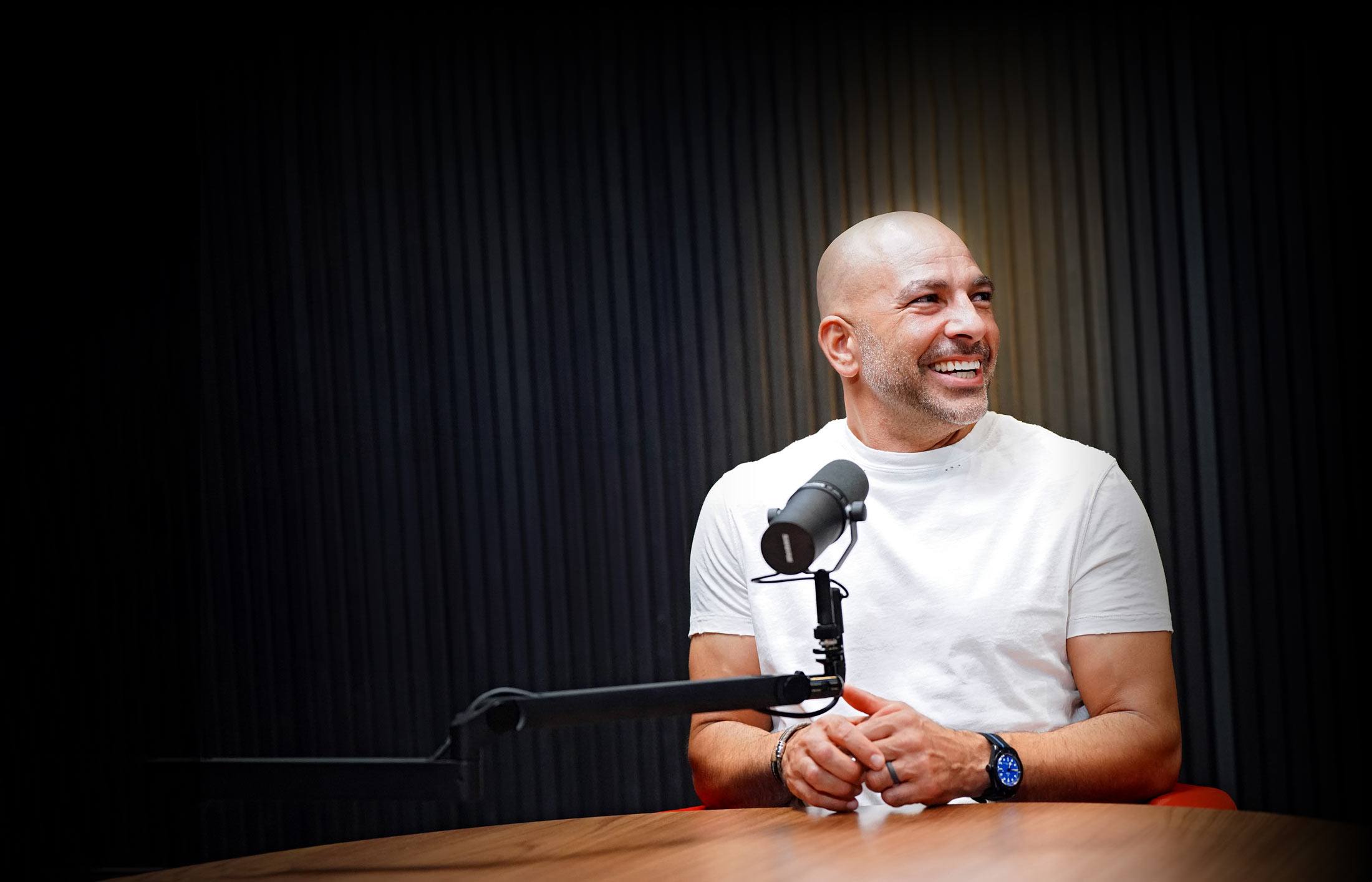
Lane: Clinical Longevity – Where Healthspan Meets Risk Management
For Dr. Attia, longevity isn’t just about living longer. It’s about optimizing your healthspan – and he’s on a mission to make that happen through “Medicine 3.0”. He’s all about cardiovascular risk, strength, metabolic health – and getting ahead of problems before they start.
His podcast and book have been a game-changer for a lot of people, and he’s really successful at framing longevity as a long-term puzzle to be solved, rather than just a bunch of supplements to take.
2. Dr. Andrew Huberman

Lane: Neuroscience & Health Optimization – Taking it One Step at a Time
Huberman’s is all about understanding how the brain works – and how that impacts our health. He’s obsessed with sleep, circadian rhythm, stress, focus – and the fundamental behaviors that make a difference.
He’s not about promising you’ll live forever – but he will say that system-wide regulators are way more important than any magic bullet. Plus, he’s always warning people against trying to optimize too much, too fast – and just focusing on the basics.
3. Bryan Johnson
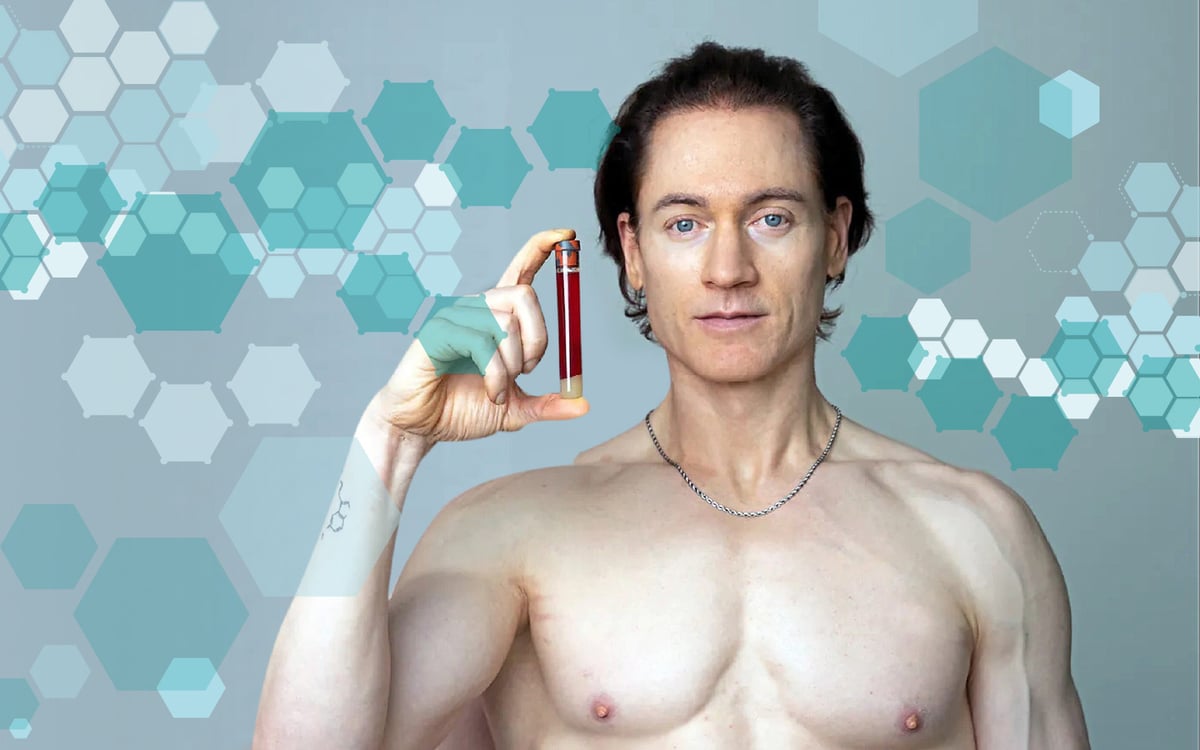
Lane: The Wild World of Quantified Self – Where Transparency Goes to Meet Reality
Johnson’s “Blueprint” was a real game-changer – but it also raised a lot of questions about whether all this extreme self-tracking is really worth it.
He’s definitely made a lot of people talk about biomarkers and interventions – but he’s also shown us the limits of just throwing a lot of cash at a problem – and wondering where the science ends and the marketing begins.
4. Dr. David Sinclair
Lane: Aging Biology 101 – The Difficulty of Hype and Heroism
Sinclair was one of the first people to bring aging research to the mainstream – but he’s also had his fair share of criticism for being a bit too enthusiastic with his claims – and maybe not doing enough to clear up the confusion. His work shows us just how hard it is to turn science into something people can really get behind.
5. Dr. Rhonda Patrick

Lane: Nutrition, Micronutrients & Aging – A Deep Dive into the Research
Patrick is known for digging deep into the science behind what makes our bodies tick – and for making that science accessible to regular people.
She’s got a premium Q&A model that shows just how much people are willing to pay for ongoing guidance – rather than just one-off answers.
6. Prof. Tim Spector

Lane: The Gut, Food Quality & Diet Diversity – A Global Message
Spector is all about the importance of gut health – and how ultra-processed foods are basically the enemy of longevity.
His work has really resonated worldwide because it shows that people can make a difference without breaking the bank – and that it’s all about the little things.
7. Dr. Valter Longo
Lane: Fasting-Mimicking Diets – When Science Meets Real Life
Longo’s done a great job of taking lab research and turning it into real-world dietary frameworks. His work highlights the appeal – but also the risks – of generalizing structured protocols to people who may not be ready for them.
8. Dr. Mark Hyman
Lane: Functional Medicine & Systems Health – Tackling Inflammation and Chronic Disease
Hyman is all about food systems and how they impact our health – and he’s been able to build a huge following through big-name podcasting and community education. His work shows that longevity isn’t just about what we eat – but about how we eat.
9. Jessie Inchauspé
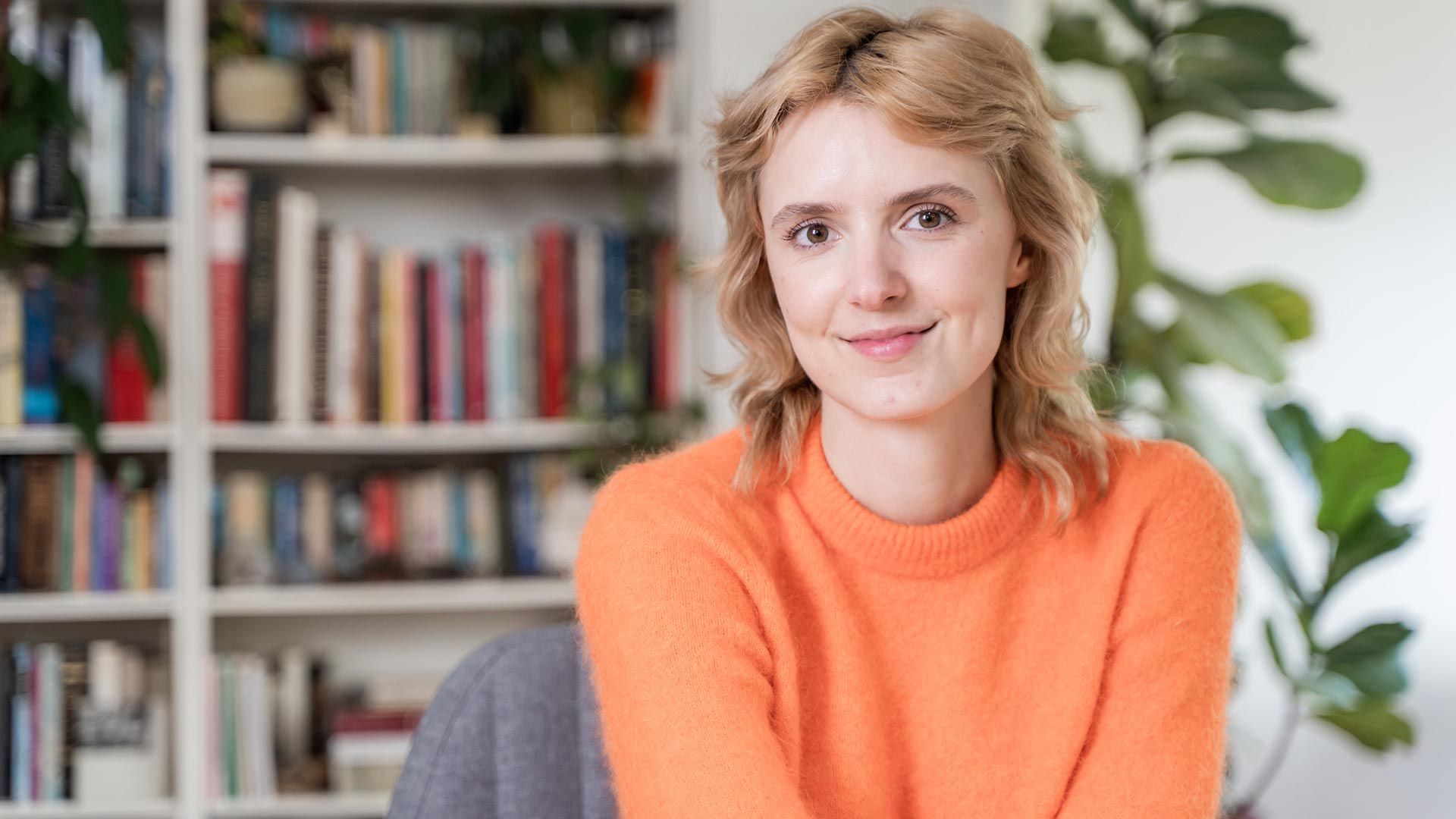
Lane: Glucose Regulation & Metabolic Behavior Change – Making Complexity Simple
The “Glucose Goddess” Inchauspé has made blood sugar concepts accessible to a whole lot of people – by breaking them down into simple, actionable steps. Her success shows that if you can make it easy – people will actually start to do it.
10. Dave Asprey

Lane: Biohacking & Lifestyle Experimentation – Where Evidence Meets Ego
Asprey’s long-running platform has been a big part of popularizing biohacking – but his work also highlights the tension between experimenting with your own body – and knowing what’s actually working.
There’s a running joke among people in the community – that following just a few of these leaders can be a full-time job. The lists tell you who to follow – but not how to learn without getting overwhelmed.
What Longevity Creators Mostly Agree On
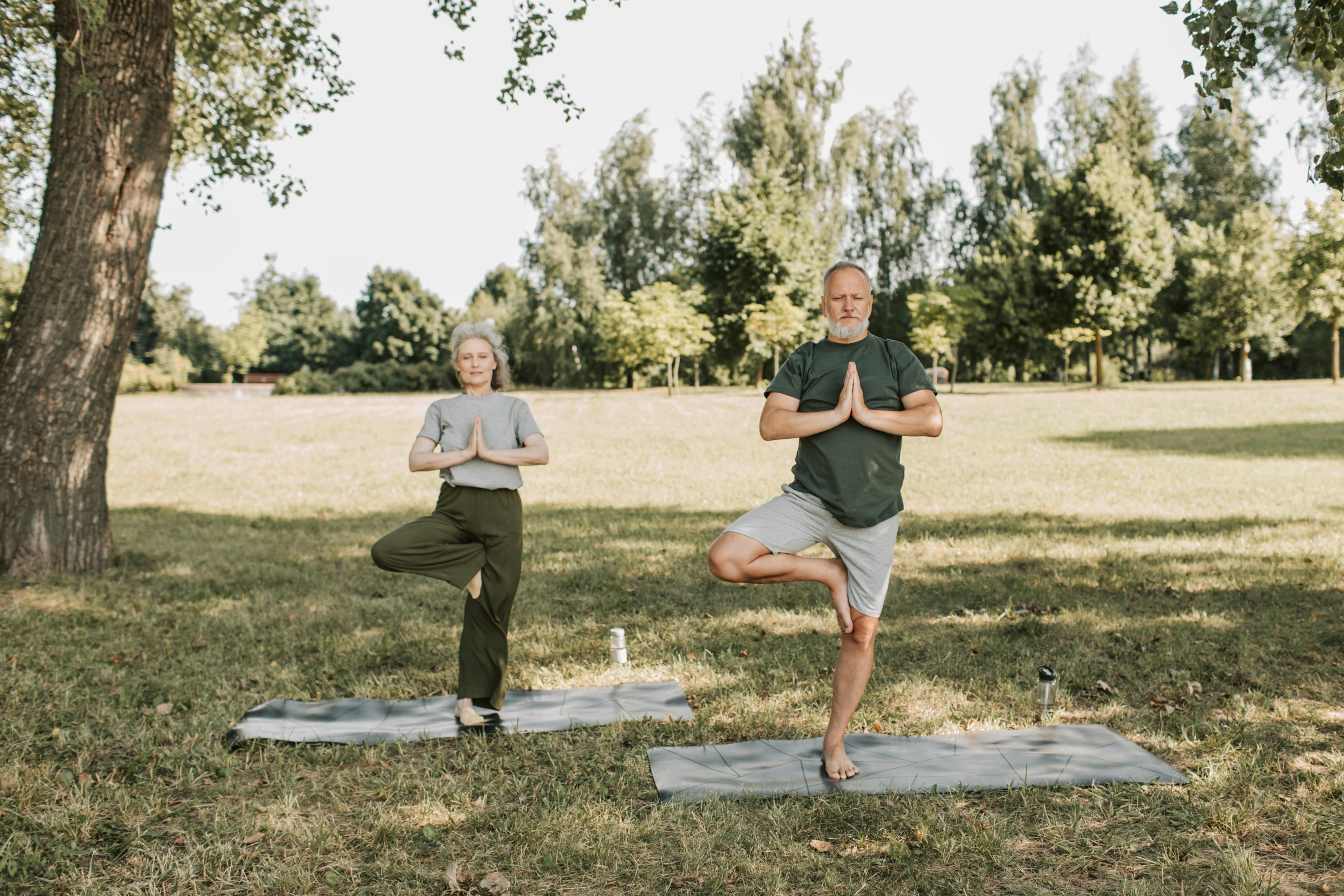
At the end of the day, despite the lively debates that go on among longevity creators about the best supplements, biomarkers and experimental therapies – you often find them lining up on a whole lot of core principles. And that’s probably because these fundamentals consistently deliver real results in the real world.
Regular Exercise is Non-Negotiable
Movement is the bare minimum – and if you don’t have that foundation in place, nothing else is going to work for long. And specifically, when it comes to exercise, you just can’t stress enough how important strength training is. It keeps your metabolism healthy, your balance in check and your independence going strong as you age – and that’s just the tip of the iceberg.
Sleep Consistency Trumps Optimization
Don’t get me wrong, good quality sleep is great – but what longevity experts keep coming back to is the importance of being consistent. Sleep is something that’s considered a non-negotiable, not something you ‘might as well get done if you have the time’. and they swear that no amount of fancy supplements or high-tech wearables can fix chronic sleep disruption.
Metabolic Health Takes Centre Stage
For longevity experts, getting your blood sugar in check, your insulin levels working properly and your overall metabolism in tip top shape takes precedence over trying to find the ‘magic bullet’ for longevity. It’s not the trendy new diets or health hacks that are going to get you the results – its a steady diet of whole foods, reasonable calorie intake and getting enough protein that’s going to keep you going over the long haul.
Reducing Alcohol Improves Everything
Cutting back on booze is one of the few things that has near universal approval from longevity experts. And if you take a closer look, it’s pretty clear why: less booze means better sleep, improved brain function, lower heart disease risk and just generally more consistent training in the gym.
Start With What You Know
So what’s the best place for beginners to start? Focusing on what experts agree on – that’s where you get the most value. It’s a way of reducing the risk of getting caught up in fads and feeling overwhelmed by all the different options out there, and it gives you a solid foundation to build on before you start exploring all the more experimental or individualised strategies.
For those who want a safer way to explore these foundations over time, the Twelve app offers a social platform where expert-led short videos, open discussion, and community interaction help people apply ideas gradually rather than copying rigid protocols.
The Red Flags: Hype, Conflicts of Interest, and Overconfident Claims

Longevity content attracts investment and attention, which increases incentive misalignment. Supplement claims, off-label medication discussions, and product ecosystems can blur education and selling. Critics have pointed out that overstated claims tied to monetization erode trust.
This is where static content struggles. A blog can warn about red flags, but it cannot adapt guidance to individual constraints or answer follow-up questions. In practice, people need help distinguishing human evidence from animal data, understanding contraindications, and knowing when not to act.
This is one reason some people gravitate toward environments like the Twelve app, where verified experts can clarify uncertainty through conversation, explain boundaries in context, and help people slow down rather than act on overconfident claims.
A Practical Longevity Starter Plan (Low Cost, High Signal)

For most people, a safe entry point into longevity does not involve exotic tests or supplements.
It involves sleep regularity, progressive strength training, daily movement, and food quality. Tracking can be useful, but only when it informs behavior rather than creating anxiety.
A minimal plan focuses on consistency over intensity. This aligns with how many top creators frame longevity as a long game rather than a protocol sprint. Advanced tools come later, if at all, once fundamentals are stable.
How Paid Access and Communities Are Changing Longevity Learning
Longevity is iterative. Measure, adjust, repeat. That is why many creators monetize through memberships, premium Q&As, and subscription communities. The downside is cost and fragmentation. High-priced programs limit access, while hopping between platforms makes continuity difficult.
This is where integrated learning environments become attractive. In platforms like the Twelve app, short expert-led video content, community discussion, and direct access can coexist in one place. This allows people to follow a small number of trusted voices, ask clarifying questions, and adapt advice gradually without committing to elite pricing or copying protocols wholesale.
Microlearning, Community, and Expert Q&A Improve Follow-Through

Across longevity forums, the most common complaint is not lack of information but difficulty implementing it with a busy life. Research in medical education supports the idea that shorter, structured learning units improve retention compared to long-form binge consumption.
Microlearning paired with accountability helps bridge the gap between knowing and doing. When learners can test understanding with quick quizzes, ask clarifying questions, and see peer progress, habits are more likely to stick. This is why longevity education increasingly moves away from marathon podcasts alone toward layered learning systems that support daily application.
Why Lists Are Not Enough Anymore
Lists tell you who is influential. They do not help you decide what to do tomorrow, what to ignore, or how to adapt advice safely. Longevity creators operate across evidence tiers, incentives, and communication styles. Navigating that landscape requires more than rankings.
The Twelve app represents one approach for those ready to move beyond passive scrolling. It provides a social media environment where expert-led short videos, conversation, and community help people explore longevity ideas with more context, caution, and continuity rather than information overload.
For readers who want to move from awareness to action without overwhelm, following a small number of vetted experts in a structured environment can be more effective than consuming everything everywhere. Twelve represents one such approach, combining discovery, learning, and interaction in a way that reduces fragmentation rather than adding to it.
FAQs
Are longevity supplements worth it?
Evidence varies widely. Many supplements have mechanistic or animal data but limited human trials. Fundamentals like sleep and exercise consistently outperform supplements in impact.
How do longevity influencers translate longevity science into safe everyday practices?
Top longevity influencers focus on longevity science, human longevity, and longevity research by sharing educational content grounded in clinical trials, biological processes, and preventive health, helping people support long term health without overpromising reverse aging.
What is healthspan?
Healthspan refers to the years lived in good physical and cognitive function, not just total lifespan.
What should you watch for when creators discuss anti aging and longevity treatments?
Content around anti aging, longevity treatments, longevity drugs, or an ai discovered drug should be framed by a medical doctor or functional medicine expert, reference cutting edge research, and clearly explain risks tied to the aging process and age related decline.
Do I need expensive biomarkers to start?
No. Most creators agree basics come first. Advanced testing can help later but is not required for meaningful progress.
How can women evaluate longevity advice around hormonal health and mental well being?
Women focused creators often combine women’s health, hormonal health, mental health, and mental well being with lifestyle choices, stress management, and a holistic approach to promote healthier life outcomes without relying only on anti aging techniques.
How do I know if a longevity claim is credible?
Look for human evidence, uncertainty language, disclosure of conflicts of interest, and clear safety boundaries.
What is the safest way to learn longevity topics?
Incrementally, with expert guidance, and with opportunities to ask questions rather than copying protocols blindly.
Why is learning from micro influencers sometimes safer than a mega influencer?
Micro influencers in the longevity space often focus on human health, cognitive health, healthy aging, and practical lifestyle choices, while mega influencer content on social media may prioritize reach over nuance, making careful evaluation all the difference.