


Lists of “top wellbeing creators” are everywhere in 2026. Most rank them by followers or brand deals, but rarely explain what truly matters: what these creators teach, who it’s for, and how to engage with their work to support genuine wellbeing, not just find short-term inspiration.
Today, wellbeing combines movement, mindfulness, meditation, emotional healing, and spirituality. Practices like yoga, meditation, and trauma-informed self-work can be beneficial, but only when approached with clarity, pacing, and proper boundaries.
This list is different. Instead of focusing on who’s the biggest, it asks who has shaped global wellbeing culture with repeatable practices and sustained teaching. It also explains how you can learn from them responsibly in 2026.
This is where platforms like the Twelve app fit naturally. The Twelve platform gives people a social space to explore wellbeing ideas through short expert-led videos and thoughtful discussion, helping inspiration turn into something more grounded and intentional.
What “Wellbeing Creator” Means in 2026
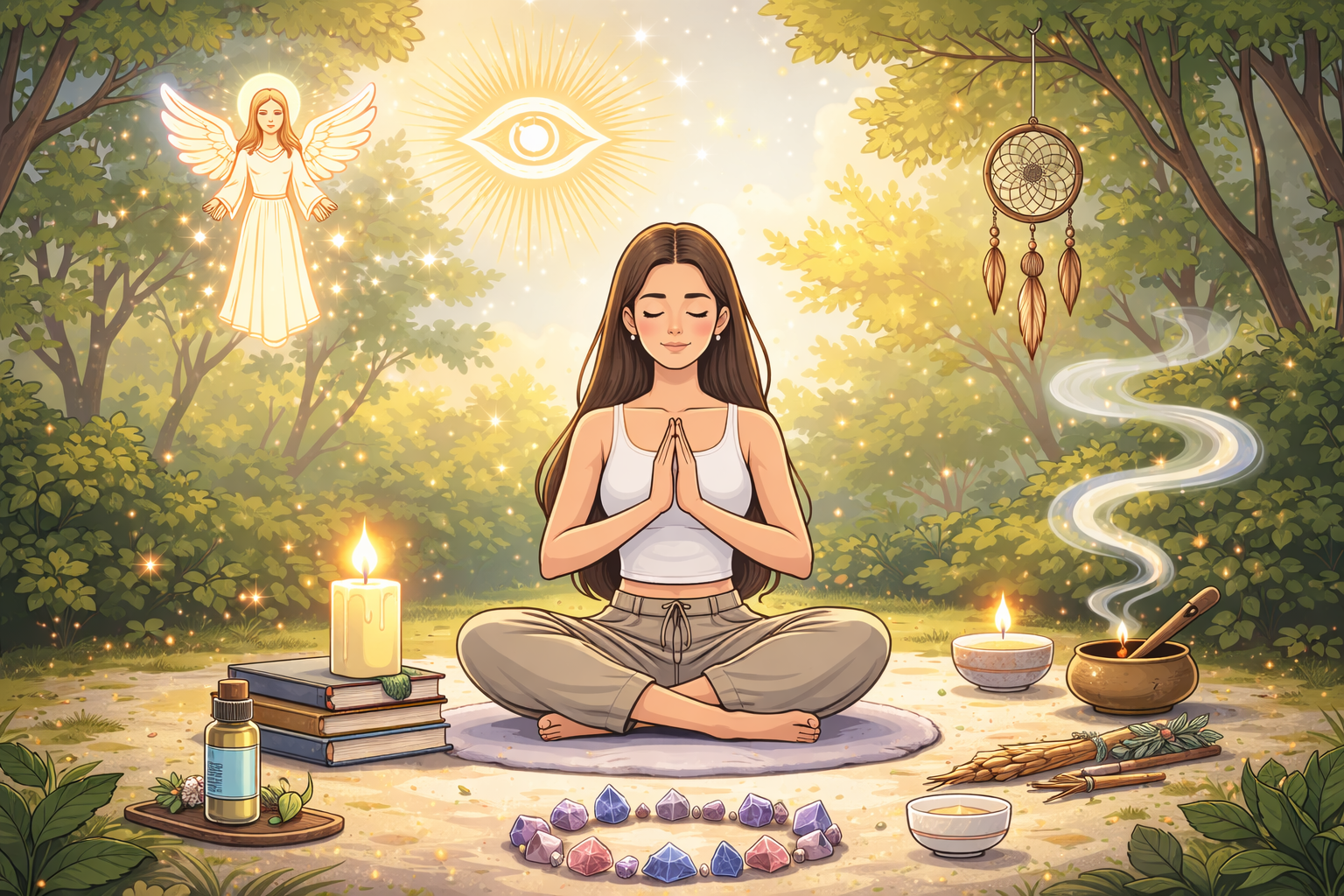
A wellbeing creator is not the same thing as a wellness influencer or a spiritual guru.
In 2026, the most trusted wellbeing creators tend to share three characteristics:
- They translate abstract ideas into repeatable daily practices.
- They acknowledge limits, context, and individual differences.
- They encourage consistency over intensity.
Some come from movement traditions like yoga. Others focus on mindfulness, meditation, emotional healing, or spirituality. Many blend these domains. What distinguishes the strongest voices is not certainty, but teachability.
In 2026, the Twelve platform provides a space for clarity over noise. Through short videos and focused community discussions, Twelve simplifies mindfulness, movement, and emotional health, helping users engage without pressure or exaggeration. Social platforms are designed to encourage consumption, not action. That’s why many struggle to turn inspiration into routine
The Top 10 Global Wellbeing Creators
Here are ten individuals who have made a real impact on the wellbeing scene – and that’s largely thanks to the way they teach, write and carry out their research:
1. Adriene Mishler

Accessible Yoga and Finding Your Inner Calm
Adriene Mishler, the face of Yoga With Adriene, is a leading voice in making yoga accessible to everyone. Her gentle, breath-focused practices emphasize how you feel in your body rather than how it looks.
With a global following, Adriene proves yoga works when practiced consistently. Her approach highlights self-connection over perfection, a refreshing reminder in a world overwhelmed by rigid wellbeing routines.
Who’s going to get the most out of her work?
- Newbies to movement and yoga
- People getting back into exercise after a break
- Anyone using yoga to chill out rather than to push themselves physically
How to use her work safely
- Start with short sessions and treat them as a daily check-in – not a test
- Feel free to modify your movements to avoid getting hurt – and don’t push yourself if it hurts
- In the end, yoga is about supporting your recovery, not making you feel guilty if you slip up
2. Eckhart Tolle
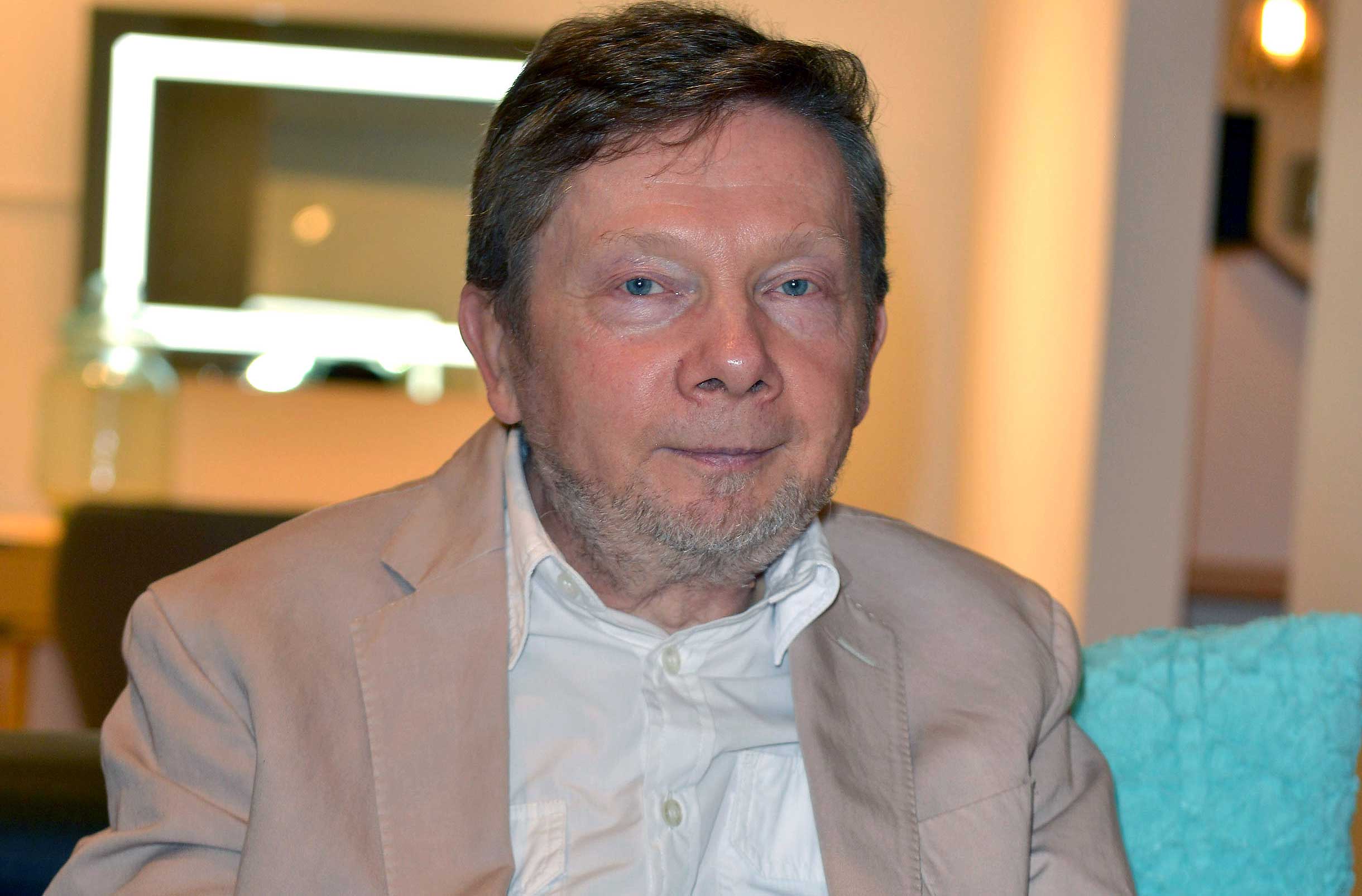
Presence and the Art of Staying in the Moment
Eckhart Tolle’s impact is still going strong even beyond social media. His ideas about presence and being present in the moment have helped millions of people get to grips with mental noise, anxiety and the relationship between our thoughts and our awareness.
What’s made him a lasting figure in wellbeing isn’t some new or flashy idea, but rather the fact that he’s speaking to a fundamental problem of our times: how to stay present in a world that’s constantly on the go.
Who’s going to get the most out of his work?
- Anyone feeling overwhelmed by their thoughts and emotions
- People who’re constantly feeling like they’re in a rush to do something
How to practice safely
- Presence work can be pretty low risk, but you do need to be patient
- Short breaks throughout the day are way more effective than trying to sit still for a long time
- The more you practice presence, the easier it gets – but don’t try to force it
3. Joe Dispenza

Meditation and Mindset Magic
Joe Dispenza has been instrumental in bringing meditation into the mainstream as a way to transform your life mentally and physically. His teachings combine brain science with guided meditations that loads of people find super inspiring.
The fact that he’s got such a big following speaks to a desire for control over our internal worlds – but at the same time, his work shows how important it is to be clear on what’s wellbeing education and what’s medical advice.
Who’s going to get the most out of his work?
- Anyone into meditation, visualization or mindset work
- People who are looking to try longer-form practices
How to use his work safely
- Meditation is not risk-free for everyone so start with short sessions and build up gradually
- If you find that it’s triggering some distress or dissociation then pause and seek help
- Meditation should help you feel more grounded – not make you feel like you’re losing your grip
4. Sadhguru

Yogic Spirituality and Inner Wellbeing
Sadhguru is one of the most well-known figures in modern spirituality. He draws on yogic traditions to teach people about inner responsibility, clarity and balance.
For some people, his work provides a philosophical framework – not a step-by-step guide to wellbeing. This can be really grounding if you approach it thoughtfully, or confusing if you just take it at face value without any context.
Who’s going to get the most out of his work?
- People interested in spirituality, meaning and philosophical inquiry
- Anyone looking to explore the philosophy behind wellbeing but not the practical steps
How to use his work safely
- Treat Sadhguru’s teachings as food for thought – not a set of rules to follow
- Don’t replace mainstream medical or psychological help with spiritual explanations
- What matters most is your own reflection and inquiry – not your level of “spiritual” commitment
5. Bob Proctor
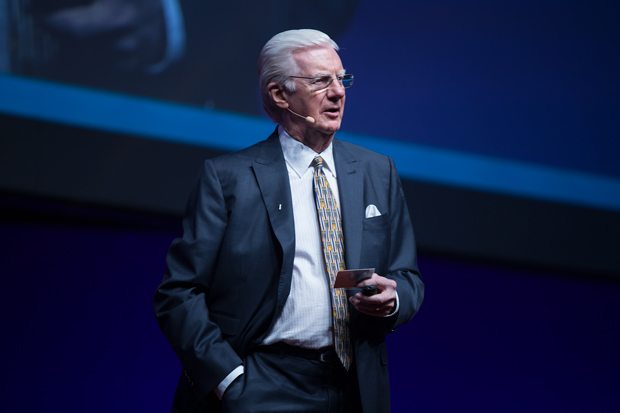
Mindset and Goal-Oriented Wellbeing
Bob Proctor’s legacy in the realm of mindset and personal growth has helped bring manifestation ideas into the mainstream. His work lives on through his programs and recorded teachings.
His influence shows just how appealing purpose-driven thinking is – and it’s something that people keep coming back to time and time again.
Who’s going to get the most out of his work?
- People who are goal-oriented and want to set their sights high
- Anyone looking to develop a clearer sense of purpose and direction
How to use his work safely
- Don’t just believe that something is going to happen – put some concrete actions in place too
- Be realistic about what you can achieve – and how long it will take to get there
6. John Assaraf

Brain Training and Performance Wellbeing
John Assaraf focuses on the intersection of mindset, neuroscience and performance. His work frames wellbeing as a support system for getting stuff done – not something you do when you’re too tired to achieve your goals.
What resonates with people about his work is that it shows how you can have inner stability and still pursue your ambitions.
Who’s going to get the most out of his work?
- Entrepreneurs, professionals and creators who want mental clarity alongside productivity
- Anyone who feels like they can’t have wellbeing and high performance at the same time
How to use his work safely
- Don’t turn wellbeing into a constant self-optimization process – rest and recovery are part of the deal too
- Don’t use wellbeing as a way to disengage from your work or goals – it’s meant to support you
7. Teal Swan
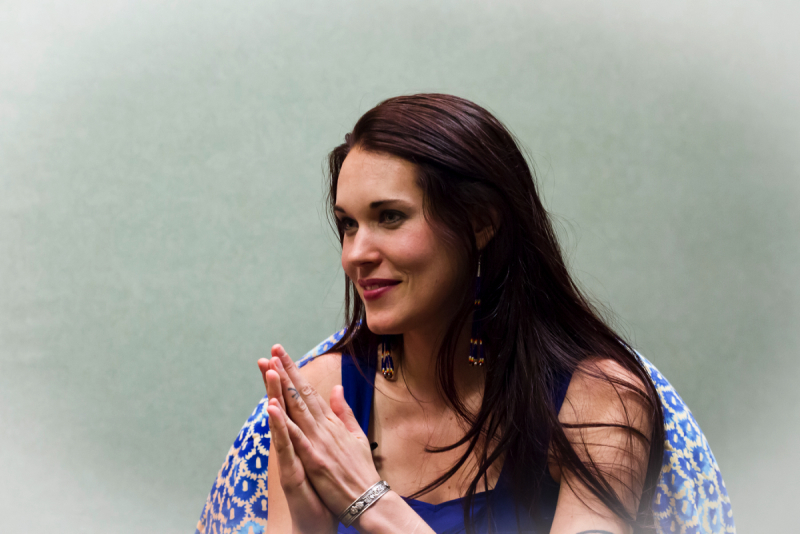
Emotional Healing and Shadow Work
Teal Swan is one of the most well-known figures in emotional and shadow content – and her work speaks to people who are looking for language for inner pain, trauma and unresolved emotional patterns.
This kind of content is especially sensitive, so it’s essential to be careful. Exploring your emotions can be super meaningful, but it can also bring up some really tough stuff that needs professional help.
Who’s going to get the most out of her work?
- People who are already pretty familiar with emotional self-reflection – and who know your limits
- Anyone who’s ready to explore their shadow and inner world in a safe and supported environment
How to use his work safely
Emotions should be the spark that sets you going, not the entire show. You can’t rely on them as a substitute for actual therapy – but they can be a great place to start.
8. Roxie Nafousi

The Manifestation Buzz
Roxie Nafousi has done a lot to make the concept of manifesting your dreams a part of everyday conversation about self care and wellbeing. What draws people to her work is the way she combines positivity with down-to-earth routines that are fun to follow – no mystical mumbo-jumbo in sight.
Who her work is best for
If you’re looking for a bit of motivation, a confidence boost, and some clear structure for working on your goals then Roxie’s your gal.
Practising Safely
Manifestation works so much better when you’re actually doing some realistic planning. Don’t just close your eyes and imagine the outcome – identify what’s standing in your way and take small, steady steps towards your goal.
9. Gabby Bernstein
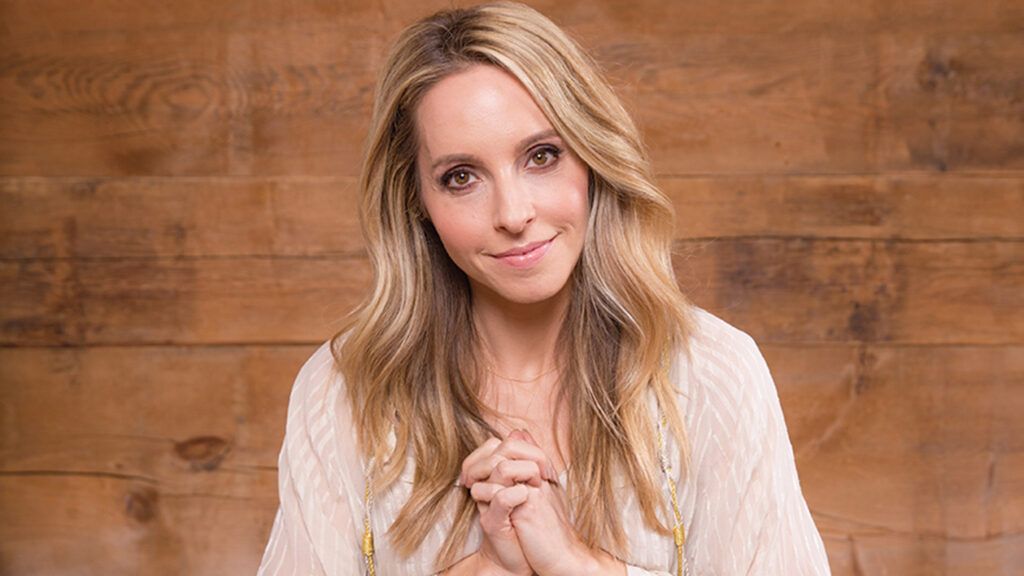
Making Spirituality Real
Gabby Bernstein has a real knack for taking complicated spiritual concepts and making them feel more like a supportive hug than a scary mystery. Her emphasis on kindness and warmth makes her work feel like a safe space – even for total beginners.
Who her work is best for
If you’re just starting to explore the world of spirituality and you’re looking for a warm, reassuring voice then Gabby’s your kind of person.
Practising Safely
It’s really tempting to use spiritual language to explain every little thing but – just to be clear – that’s not what you should do. Emotional growth is all about taking your time, and being patient with yourself.
10. Iyanla Vanzant
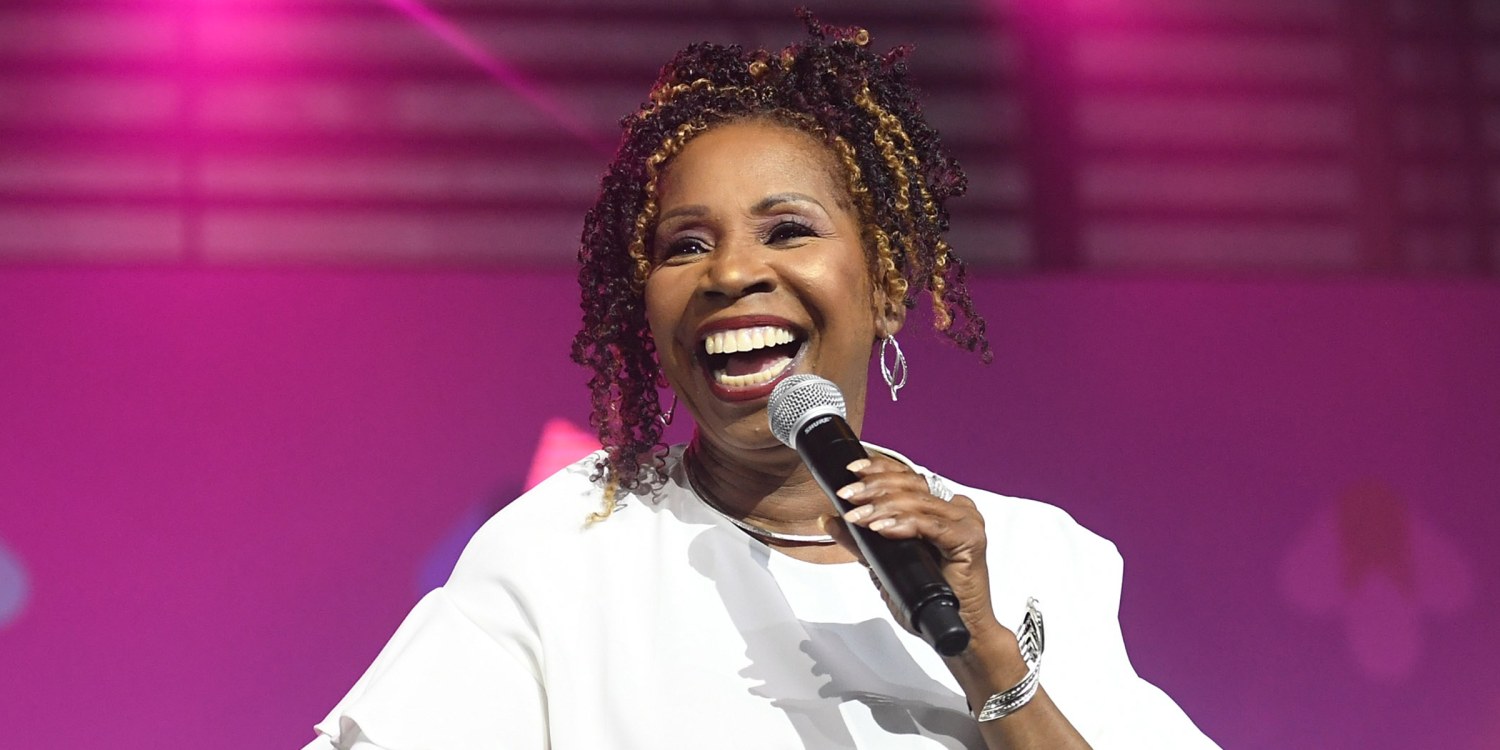
Straight Talking Spiritual Coaching
Iyanla Vanzant has been around for a while and has earned a fantastic reputation for cutting through emotional jargon and telling it like it is. Her teachings focus on taking responsibility, setting boundaries, and telling the truth.
Who her work is best for
If you’re ready to get real with yourself and your emotions – and you appreciate people who tell you like it is – then Iyanla’s your gal.
Practising Safely
Now we know that working with strong emotions can be pretty intense – so it’s worth taking some time to think things through, maybe even writing in a journal. And don’t forget to get some external support – we’re not meant to go it alone here.
How to Turn Creator Content into a Consistent Practice

Following creators is easy. Sticking to a regular practice? That’s the hard part.
Here’s a simple framework to get started:
- Pick one creator and one goal. Focus is crucial. Instead of juggling ideas from multiple creators, choose one whose style or message resonates with you and set a specific, attainable goal tied to their content.
- Commit to a short daily practice. Start small. Even 10 minutes a day can build consistency and make your goal feel manageable.
- Reflect after each session. Take a moment to consider what worked, what didn’t, and how you felt. Regular reflection helps track progress and maintain motivation.
- Refine instead of overloading. Don’t push to do more and risk burnout. Focus on small improvements and steady growth for long-term success.
Social platforms are designed to encourage consumption, not action. That’s why many struggle to turn inspiration into routine. Structured microlearning and supportive communities can help close this gap, fostering consistency and progress.
This is why many people are drawn to spaces like the Twelve app. The Twelve platform supports ongoing reflection and conversation around wellbeing topics, making it easier to stay connected to ideas that resonate instead of jumping from one trend to the next.
Being Responsible with Well-being Content in 2026

As wellbeing content continues to shape the way we think and feel, its creators have got to make sure we’re not getting a one-trick pony – content that might do more harm than good. The way we present this stuff really does matter – it can make all the difference in someone’s life, for better or worse.
What You Need to Do to Be a Responsible Content Creator:
- Clearly Set the Boundaries: Use some straightforward language to let people know that your content – say, a mindfulness guide – is meant to complement, not replace, what their doctor or therapist says.
- Make Sure People Know Who to Really Turn To: Remind users that their doctors and therapists are the ones they should go to for the really tough stuff.
- Focus on the Long Game: Rather than pushing quick fixes or promising the world, focus on helping people build sustainable habits that will stick in the long run.
Things to Watch Out For – The Red Flags:
- Don’t Make Impossible Promises: Avoid making claims like “you’ll be happy overnight” or “this will fix everything” – that’s just not how it works.
- Respect the Professionals: Never try to tell people that they don’t need to see a doctor or therapist – those people are the ones who can really help.
- Don’t Push People Too Hard: Steer clear of high-pressure tactics that tell people they need to be constantly striving for more, or that they’re not good enough if they can’t keep up.
Wellbeing is all about taking things one step at a time. It’s about making manageable changes that add up over time. Being a responsible content creator means sticking to that approach – it means supporting people without setting them up to burn out or setting them up for a big disappointment.
Frequently Asked Questions
Is meditation always safe?
Meditation can be a lifesaver for loads of people, but it’s not a one-size-fits all thing. Generally, we recommend starting off small and gradually building up with a watchful eye on your emotional highs and lows.
How do I choose a wellbeing creator that’s right for me?
You want someone who’s got clarity about what they’re doing, is consistent in their approach, and respects your boundaries. I mean, their teaching style is way more important than how popular they are.
Is manifestation actually based in science?
Some bits of it do line up with behavioral psychology, especially when you couple it with a bit of planning and taking action. On its own though, just positive thinking isn’t going to cut it.
Do I need to join private groups to get wellbeing right?
Not often – but if you’ve got a structured environment with some guidance and a bit of accountability, that can really help you stick with things.
What role does spirituality play in wellbeing?
For some people, spirituality gives their life that extra bit of meaning. But essentially, it works best when it’s complementing your practical care, not replacing it.
Why do their teachings resonate with a broad audience?
Their content resonates because they share personal stories, candid insights, and practical advice rooted in everyday life. Many are certified health professionals, licensed therapists, or health coaches who balance deeply personal experiences with public health guidance.
How can you practice their teachings safely?
Focus on practical strategies, mental health tips, balanced diet guidance, and workout routines that support long term health. Avoid one size fits all advice and prioritize self awareness and self compassion.
What topics do these creators commonly cover?
They address mental well being, physical health, nutrition tips, skin health, work life balance, and personal development using a holistic approach that integrates traditional medicine and integrative medicine.
How should health conscious individuals choose who to trust?
Look for trusted voices with certified backgrounds, transparent credentials such as ties to Harvard Medical School, and content shared across multiple platforms that promotes intentional living and lasting health.
Final Thoughts
The wellbeing creators that will really make a lasting impact in 2026, arent the ones who promise overnight miracles, but those who encourage people to take small, steady steps towards a better life.
In a world where our inboxes are overflowing with promises of quick fixes, the most effective wellbeing actually comes from the simple acts of repetition, taking time to reflect on your experiences, and having a support network to turn to.
Whether people are using yoga, mindfulness,meditation or spirituality as their tools of choice, the common thread running through it all is that the ‘work’ is about breaking things down into tiny, manageable actions that you can actually make a habit of doing, day in day out.
That’s the future of wellbeing content, and that’s why the platforms and communities that take the time to think things through and offer genuine support are going to be more valuable than ever.